One of my favorite Smithsonian museums to visit in D.C. is the National Museum of American History. I was gobsmacked at the wonderful and informative exhibits and artifacts the museum housed, including a large statue of George Washington in a Roman robe (that was once located under the Capital's Rotunda). The museum showcases the evolution of our nation's history (including economic growth, presidents & political discourse, and military/foreign affairs) and melting-pot culture. Below are several photographs of exhibits from the museum that I found particularly interesting. Enjoy!
Joshua V. Chanin is a AP U.S. History Teacher at Coppell High School. He previously taught at A&M-Commerce. Mr. Chanin received his bachelor's degree from Austin College, where he was awarded the Folbre Prize in History, and later earned his master's degree from the University of Texas at Arlington. Mr. Chanin is author of a biography on education reformer Sallie Brooke Capps. Please email at joshuathehistorian@gmail.com if you have any questions about TX history. Enjoy the blog!
Sunday, January 29, 2023
Tuesday, January 24, 2023
National African American History Museum - D.C.
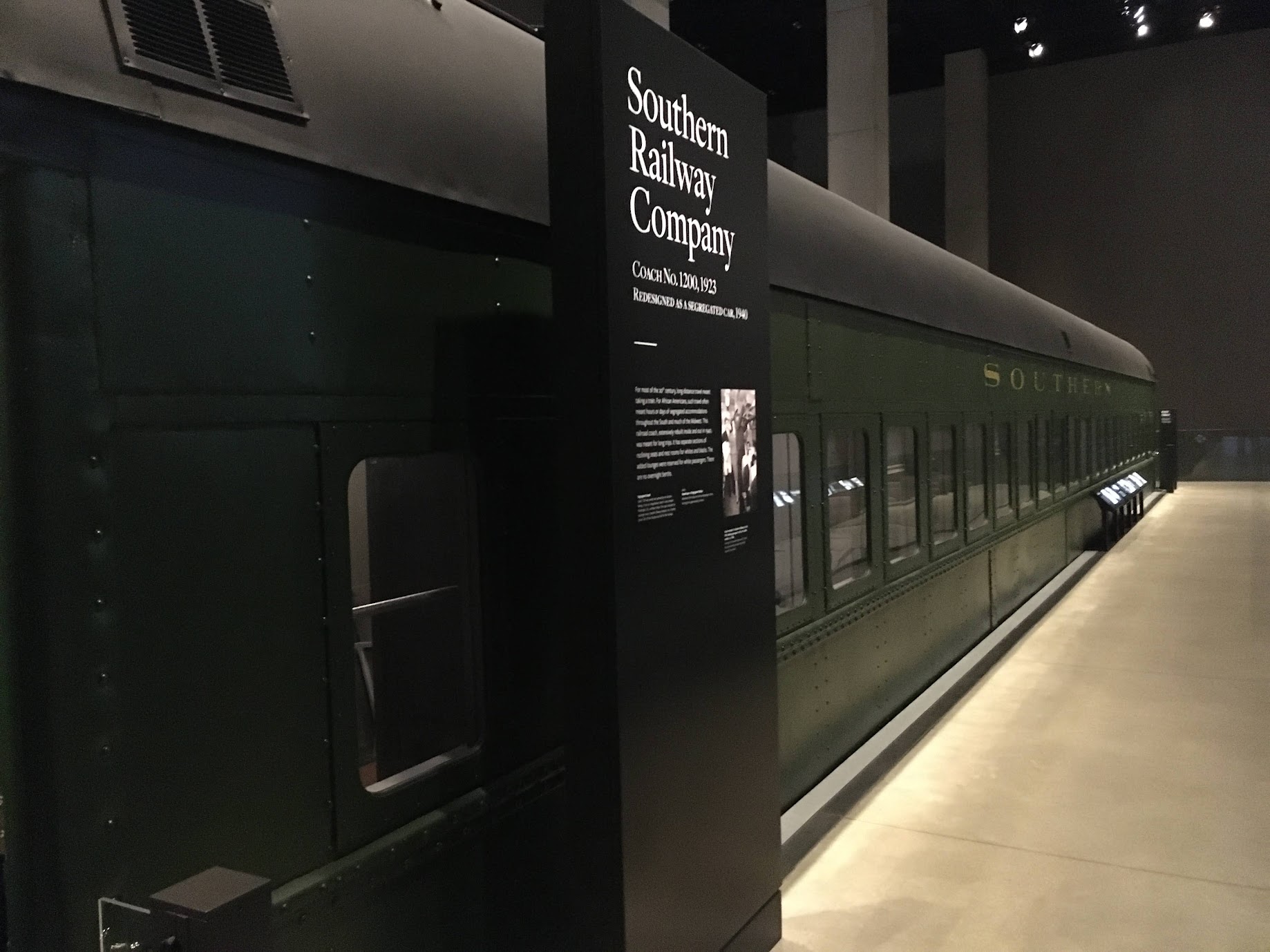
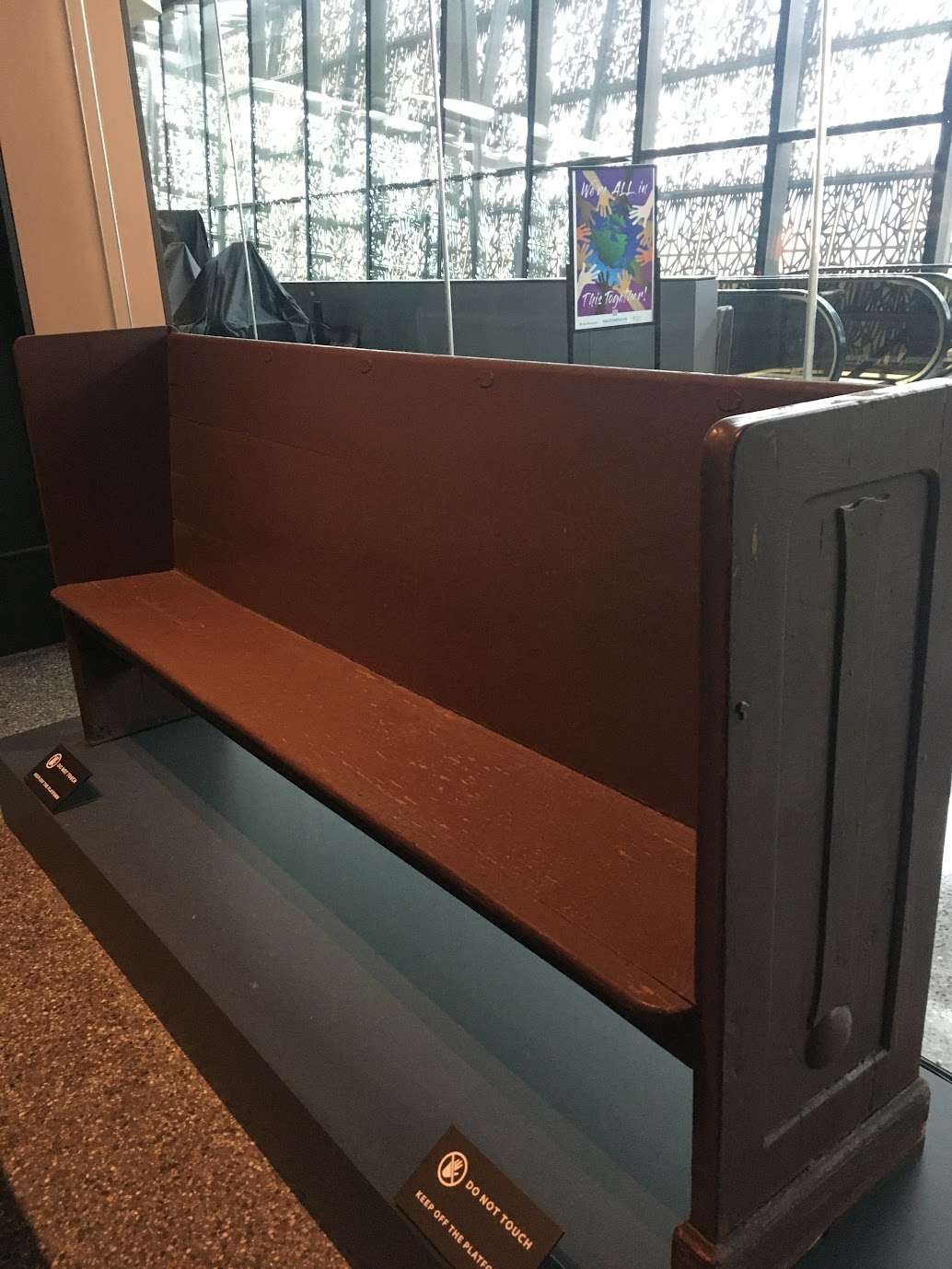
One of the most interesting museums my wife and I visited in Washington D.C. during our March 2022 trip was the National Museum of African American History and Culture. The facility is operated by the Smithsonian and is the newest museum on the National Mall. Opened by President Obama in 2016, the African American history museum showcases a variety of fantastic exhibits on the history of the Atlantic Slave Trade, Civil War, segregation and the Civil Rights Movement, black veterans and politicians, and African American schools. Since this was the only Smithsonian museum that I had not been to in the past (I visited our nation's capital with my family in 2007), the African American history museum was on my to-go list. I thoroughly enjoyed walking the floors and absorbing historical and cultural content that I can weave into my future lesson plans -- as a dedicated U.S. history teacher I am constantly looking for new ways to "beef up" my diverse curriculum. I enjoy discussing African American history with my students since blacks greatly contributed to the creation of the United States we know of today. Below, I have posted some of the museum artifacts I found to be fascinating. I would highly recommend visiting this marvelous treasure trove of black history and culture!!
Monday, January 2, 2023
Goodbye 2022, Hello 2023!
2022 was a fantastic year! Here is a sum of what happened: Professionally, I had three online articles published (in French Quarter Magazine, North Texas e-News & Texas Escapes Magazine), partook in two podcast interviews, presented research on the City of Coppell at a history conference, and my ebook on a photographic history of A&M-Commerce was published. In 2023, I plan to write a scholarly article on a history of Coppell ISD (the school district I currently work in - I am incredibly blessed to have a great job and surrounded by incredible veteran educators!). Personally, I proudly watched my wife graduate with her PhD in statistics from Rice University, we purchased our first house (and paid too much for it owing to the messy housing market in the 2022 summer, but we love it), and I officiated my best friends' wedding in Rockwall. Since I am a hard-working individual, I intend to continue giving back to my community and giving advice/inspiration to future generations of leaders in 2023. After a much-needed winter break (I did not work much on my laptop, to much surprise), I am ready to roll into the new year with an unlimited amount of enthusiasm for teaching, eagerness to learn from peers and scholars, and continue to fuel my passion for history!! It was a fun year (with minor challenges) and am tremendously excited for the next year!
Happy New Year! (I will continue to post on this blog regularly in 2023)
![]() |
| Merry Christmas & Happy New Year from the Chanin family (plus our cute pets)!! (author's collections) |
Monday, December 26, 2022
Washington D.C. Photographs (from March 2022)
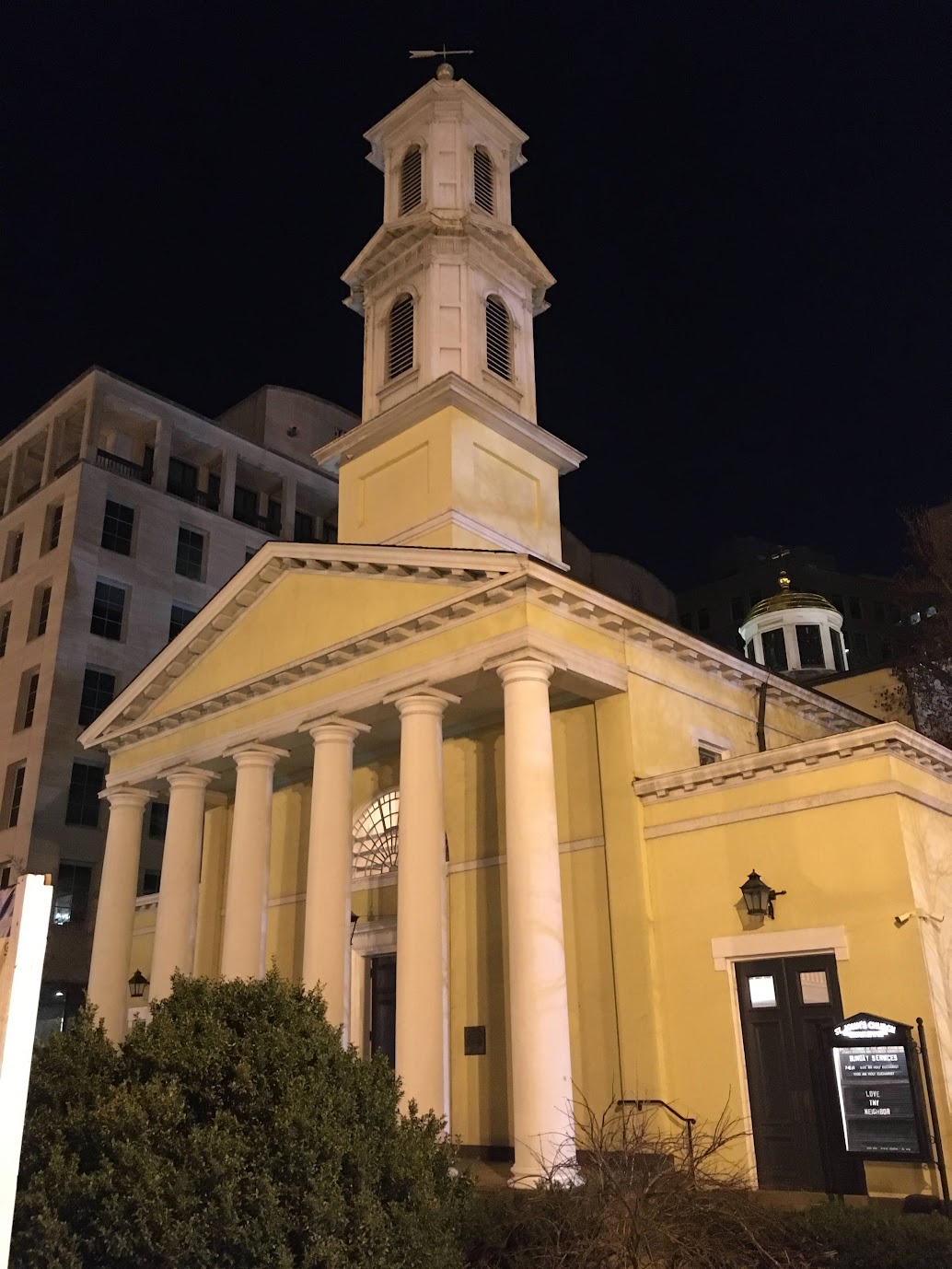
In March 2022, my wife and I traveled to Washington D.C. We thoroughly enjoyed visiting the museums and touring the nation's capital, absorbing the bustling culture and appreciating the vibrant history of the United States. I realized that I have not shared photographs of that trip on this blog, so this post is a photo "dump" of my trip to D.C. in the spring of 2022 - it is a city I highly recommend a history buff or cultural enthusiast to visit!!
![]() |
| Mini-cheeseburger meal in D.C. - YUM!! (author's collections) |
![]() |
| I am a fan of steak and my wife & I ate at a delightful restaurant in D.C. called Founding Farmers. (author's collections) |
Sunday, December 11, 2022
A&M-Commerce History Book (Go Lions!)
![]() |
| A black-and-white drawing of Whitley Hall before it was built, c. 1966. I was Whitley Hall's community director between 2018 and 2020. (Author's collections) |
I worked in the housing department at Texas A&M University-Commerce for 3 years (2018-2021) and thoroughly enjoyed my job as a residence hall/student apartments housing manager. While immersing myself in the world of higher education/student affairs, I began an intensive research project on the story of the university. I examined hundreds of photographs and primary documents in the library's archives, as well as interviewed many campus colleagues and alumni during the research process. I discovered many interesting and unique facts about the institution I worked at, and desired to share my research with my colleagues. The end result was a detailed, yet simple-to-read history of William Mayo's school from its founding in 1889 to the present (then-2019) using 213 black-and-white photographs and captions. The book surveys a variety of events and groups in the campus's 130-year history, including changes in the student body demographics, modifications to the institution's rigorous curriculum, campus infrastructure renovations, and the successful (and turbulent) moments of thirteen presidential administrations. My research (which came from material already written by East Texas historians, alumni interviews, my personal collections of photographs, and primary sources from the university archives) was presented to the institution's housing department in 2021. Since there were limited print copies, I have decided to share my scholarship with my online audience for free - a .pdf ebook copy is found below. My hope is that my scholarship on William Mayo and his innovative institution brings joy and thoughtfulness to Commerce Lions in the past, present, and future... My fascination and curiosity in studying Texas's education history stemmed from this fascinating project. Enjoy!
*Click on this link to access my free PDF ebook copy of A Photographic History of Texas A&M University-Commerce (published in print in fall 2021)*
**I also wrote an article about Whitley Hall, one of the university's residence halls and the tallest structure in East Texas, for Texas Escapes Magazine in April 2021 - click to access the Whitley Hall article**
Thursday, November 17, 2022
Booker T. Washington School in Gainesville, TX
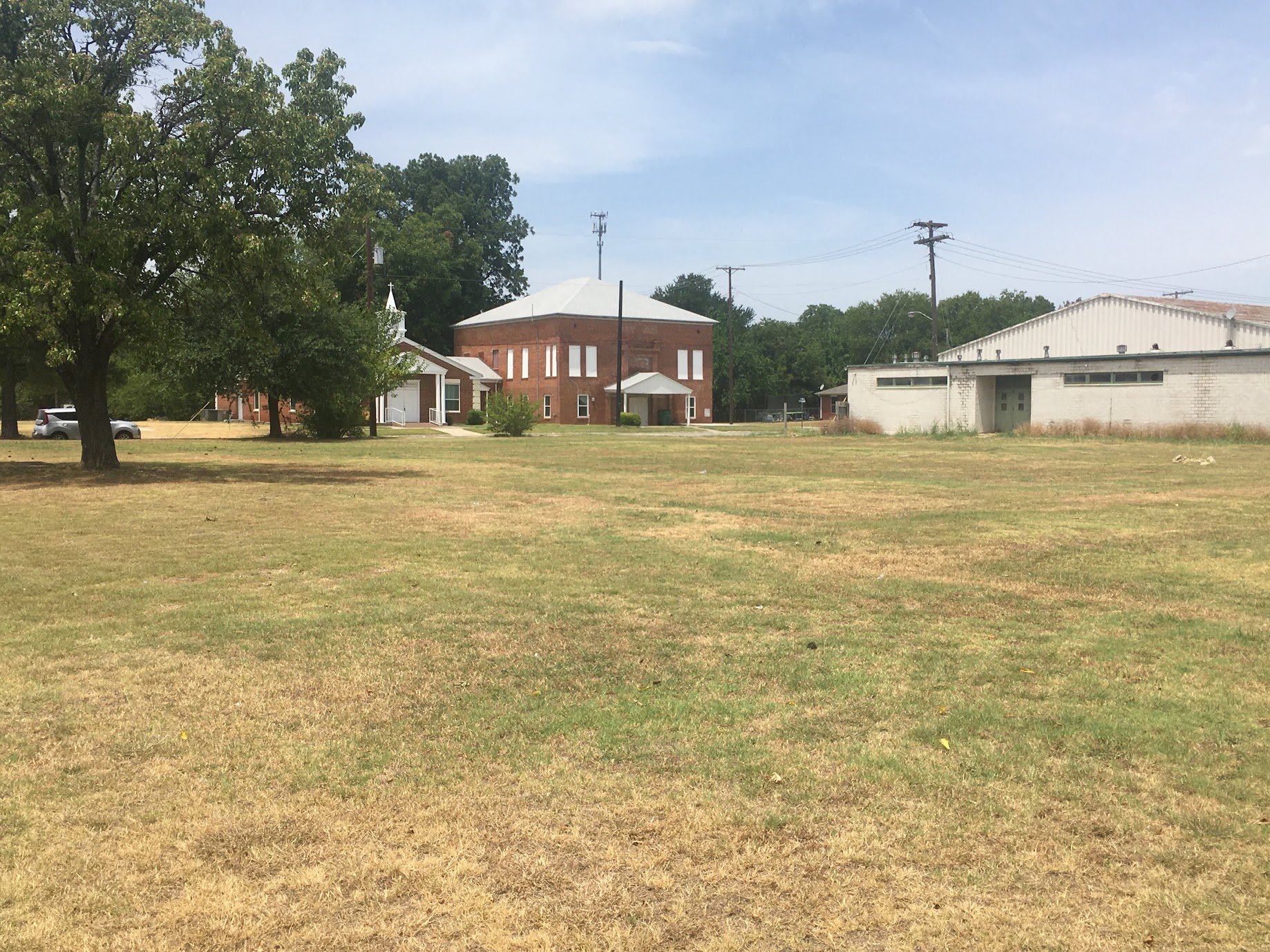
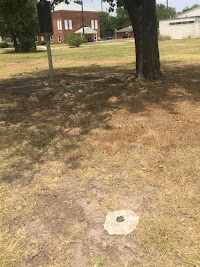
On my way back from meeting Mr. Bill Webb, Sallie Capps's grandson, in Oklahoma City, I stopped by a couple of historical locations in the quaint, steadily-growing North Texas City of Gainesville. While eating a double cheeseburger from McDonalds, I walked around the former location of the Booker T. Washington School, the old Gainesville Colored School. Although only a pile of loose bricks and a historical marker remain (the facility was sadly demolished in 2014), I felt as if I had stepped back in time and was able to mix among the ghosts. In this blog post, I intend to provide a brief history of the institution that left a significant mark on Gainesville.
![]() |
| A photograph of the Booker T. Washington School during demolition in 2014. The brick structure was built by the WPA in 1939. (photograph from The Living New Deal) |
Island Sparks, a young mulatto whose passion for learning was infectious, began tutoring the colored children in the City of Gainesville in the early 1880s since there was only a school for white children - during the Reconstruction Era, this was the case in many Texas cities. The city's school district (created in 1882) ultimately decided to erect a school specifically for African American children in 1886. A $450 plot of land on the west side of Gainesville was chosen as the location, and the city spent $5,000 to construct a spacious two-story, wood-framed building, which was later equipped with student tables, chalkboards, and pencil boxes. Originally called the Gainesville Colored School, the facility was one of the only 19 black schools operating in Texas in the late 1880s. 186 students, ranging in ages between 5 to 17 years-old, were enrolled on the first day of classes, yet only three teachers presided over the crowded classrooms... a tragic nightmare for any educator that has faced a large, overbearing class. Despite the impressive facility, the city only allocated $5,000 for the colored school's annual budget - 1/3 of the white schools' budgets.
![]() |
| A photograph of the grassy site where Booker T. Washington School once stood. Notice the church and gymnasium in the background. (photograph from author's collections) |
The school's initial graduating class had four seniors. The city's renowned newspaper, the Gainesville Daily Hesperian (now known as the Gainesville Daily Register) noted the significance of the festivities: "This quartet will be the first colored graduates of the Gainesville School and will mark a noted epoch in the history of public education in the city, so far as the consideration of the colored people goes, that will forcibly remind the people of the North that the educational welfare for the colored children in Gainesville is carefully looked after by the city Board of Education." Since not many graduated from the colored institution - as students left their classes after a few years of schooling to work and support their families - exiting the school with a high school diploma became a prestigious and rare ritual. The motto for the class of 1947 reflects the school's seniors' desire to graduate and join the rank of "distinguished alumni": "Not by Brawn, by Brain." The colored school was appropriately renamed Booker T. Washington School in 1927, in honor of the esteemed African American educator and Civil Rights activist (who had peacefully died in November 1915).
The modernizing student body outgrew the original building, and a new brick structure was erected by the laborers of the Works Progress Administration in 1939 (this was part of FDR's New Deal plan to revive the American economy during the Great Depression). The Booker T. Washington School "was the center of our world, education wise and socially..." alumnus Don Williams once said in an interview. "We knew the teachers and they knew us. They were a part of our lives before, during and after school." The school had become part of the larger Gainesville story, influencing the scholarly pursuits of many talented young adults... thus, it was a tough time for students and teachers when the school closed and merged with the white schools in the city. After the monumental Brown v. Board of Education Supreme Court decision in 1954, which required all American public schools to integrate, the Gainesville School Board decided to "abolish" Booker T. Washington School and transfer its black students to the white Newsome Dougherty Memorial High School in 1965. The African American students suddenly found themselves in a different world, one that was not comforting nor supportive at first. Mr. Williams noted the difficult transition in his interview: "...it was the end of a community in which black students were suddenly in a world they did not know." The white teachers were not adequately prepared for the new black students, and their white peers often had mixed feelings on integration. The African American teachers from Booker T. Washington School were found jobs in the school district, but not necessarily in their area of expertise, initiating a significant amount of challenges for them too. In spite of the challenges, the students and teachers from the Booker T. Washington School soon thrived in their new environment as dedicated intellectuals and community leaders.
![]() |
| Although the Booker T. Washington school building was demolished 8 years ago, you can still notice the brick outline of the facility. (photograph from author's collections) |
After Gainesville's integration of schools, the Booker T. Washington School was boarded up and fell into disrepair. The city erected a historical marker on the property in 1986, 100 years after the colored school had opened. Alumni and staff reconvened and attended the marker ceremony. The building was razed in 2014 and most of the bricks were recycled. The surviving objects that remain in place serve as a reminder that the City of Gainesville gave young black children a quality public education when many areas of the state did not.
-
"Every life is a march from innocence, through temptation, to virtue or vice." -Lyman Abbott I always stress in my classes that h...
-
At the entrance/exit of Downtown Greenville, a large, illuminating sign that read "Greenville Welcome: The Blackest Land, The Whitest P...
-
Many might associate South Texas with the popular grocery store chain, H-E-B. Whenever I was in Houston to visit my then-girlfriend (now wif...


.jpeg)